

Seven Seconds of Silence
RAVA Listen، قسمت ۱: هفت ثانیه سکوت
قسمت اول RAVA Listen با دکتر امیر احمدگلی؛ نیکا انگلیسی را میفهمد اما موقع حرف زدن ساکت میشود. با متن کامل، واژههای کاربردی و چالش ۳۰ ثانیهای مکالمه.
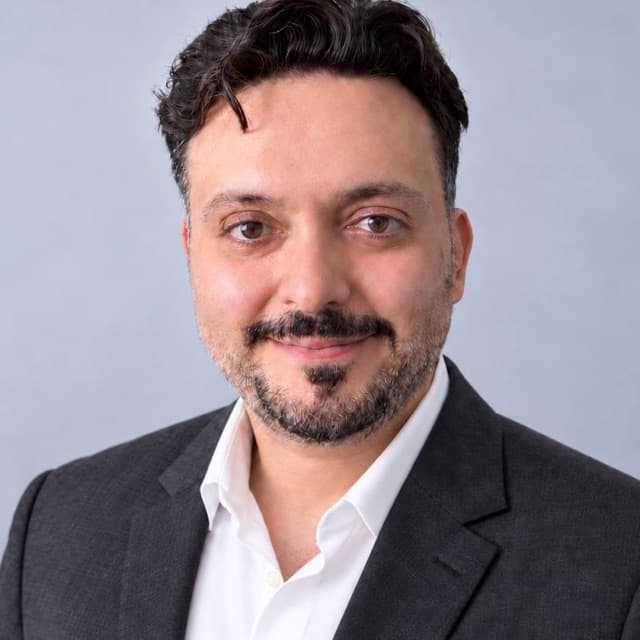 دکتر امیر احمدگلیمیزبان RAVA Listen
- مدت
- ۱۱ دقیقه
- سطح
- B1
- انتشار
RAVA Listen · EP 01
Seven Seconds of Silence
Seven Seconds
فصلهای این قسمت۱۰ فصل
The story
داستان این قسمت
نیکا مبتدی نیست: فیلم و پادکست انگلیسی را میفهمد، واژههایی مثل overwhelmed را بلد است و دفتری با ۱۳۷ عبارت کاربردی دارد. اما وقتی کسی میپرسد «در وقت آزادت چه کاری دوست داری؟»، هفت ثانیه ساکت میماند و فقط میگوید I watch movies. این قسمت نشان میدهد در آن هفت ثانیه در ذهن او چه میگذرد: نگرانی دربارهٔ گرامر، تلفظ و سؤال بعدی؛ یعنی یک امتحان نامرئی بهجای یک گفتوگوی معمولی. راهحل نیکا یک تمرین کوچک است: هر روز سی ثانیه پیام صوتی، بدون پاک کردن و بدون از نو شروع کردن. یک هفته بعد، همان جمع از او سؤال تازهای میپرسند و این بار جوابش کامل نیست، اما ادامه پیدا میکند. پیام اصلی برای ما فارسیزبانها روشن است: خیلی وقتها کمبود ما دانش نیست، تمرین استفاده از همان چیزی است که بلدیم. قسمت با یک فرصت سیثانیهای برای جواب دادن به همان سؤال تمام میشود.
Read along
متن کامل، همزمان با صدا
متن قسمت
روی هر جمله بزن تا از همانجا پخش شود. واژههای رنگی را بزن تا معنیشان را ببینی.
Seven seconds.
That's how long Nika stays silent.
Seven seconds might not sound like much, but when someone is standing in front of you, waiting for an answer, seven seconds can .
The question was simple.
“So, what do you like doing in your free time?”
Nika knew exactly what she wanted to say.
She loved reading.
She enjoyed going to cafés.
She had recently started learning photography.
She had so many things to talk about.
But instead, she smiled nervously and said, “Umm… I watch movies.”
And that's it.
The conversation moved on.
Nobody laughed.
Nobody judged her.
But on her way home, Nika couldn't stop thinking about those seven seconds.
Because something didn't make sense.
She had been studying English for years.
So why couldn't she answer such a simple question?
This is RAVA Listen.
Good stories.
Better English.
Now, here is what makes Nika's story interesting.
She wasn't a beginner.
.
She watched English-language movies, listened to podcasts and followed international creators.
Her phone was full of English content.
Sometimes she'd watch an entire interview and understand almost everything.
She knew words like “”, “disappointed” and “misunderstanding”.
She understood jokes that were difficult to translate into Persian.
And when her friends asked her what an English sentence meant, she could usually explain it.
But there was one thing she avoided: speaking.
Not because she didn't want to.
She actually wanted to speak English more than anything.
She imagined herself traveling, meeting new people, making friends and having long conversations.
In those conversations, she sounded amazing: confident, funny, relaxed.
But in real life?
Well… “I watch movies.”
The strange thing was that Nika had spent so much time preparing to speak that she rarely actually spoke.
She collected vocabulary.
She watched videos about pronunciation.
She saved grammar lessons, expressions.
She even had a notebook titled “Useful English Expressions”.
It had 137 expressions in it.
And do you know how many she regularly used in conversations?
Almost none.
Let's go back to those seven seconds.
What was happening in Nika's mind?
The person had asked, “What do you like doing in your free time?”
Nika's first thought was, “I enjoy going to cafés.”
Then another thought appeared.
Wait, should I say “I enjoy going” or “I enjoy to go”?
Then another: maybe “I like visiting cafés” sounds better.
And another: what if my pronunciation sounds strange?
What if they ask me another question?
What if I don't understand?
All of that happened before she had even opened her mouth.
The conversation in her head was much longer than the conversation in real life.
And there is something almost funny about that.
Nika was trying so hard to making a mistake that she barely said anything at all.
She wasn't really having a conversation.
She was taking an exam.
An exam nobody else knew about.
Here is the thing.
When we speak our first language, we don't usually plan every sentence.
We .
We .
We forget words.
Sometimes we start a sentence and have absolutely no idea how we're going to finish it.
And somehow, we keep talking.
But in a foreign language, we sometimes expect every sentence to be perfect.
We want the right grammar, the right pronunciation, the right vocabulary, and preferably all of that in less than two seconds.
That's quite a lot to ask from one brain, isn't it?
A few days later, Nika decided to try something different.
Not another course.
Not another vocabulary book.
Just something small.
She opened her phone and recorded a voice message.
Nobody was going to hear it.
The question was, “What was the best part of your day?”
She pressed record.
“Today was pretty good.”
“I went to…”
She stopped, deleted the recording and started again.
“Today was good because…”
She stopped again.
This time, she laughed.
She realized she was doing exactly the same thing: trying to sound perfect.
Even when nobody was listening.
So she made herself a rule: no deleting.
For thirty seconds, she would speak.
If she made a mistake, she would continue.
If she forgot a word, she would describe it using other words.
If she , she would take a second and keep going.
Her first recording was terrible.
At least, that's what she thought.
There were long pauses.
She repeated the same words.
She said “you know” about eleven times.
But she finished thirty seconds.
The next day, she tried again.
And the day after that.
Some days were easier than others.
Sometimes she still couldn't find the right words.
But something had changed.
She wasn't waiting for the perfect sentence anymore.
She was learning to work with the English she already had.
A week later, Nika met the same group of people again.
And yes, someone asked her another question.
This time it was, “So, what kind of places do you like visiting?”
For a moment, she felt the same familiar fear.
Her mind started searching for the perfect answer.
But then she remembered those thirty-second recordings.
She took a breath.
“, I really like quiet cafés.”
“I love sitting by the window, drinking coffee and reading something interesting.”
It wasn't perfect.
It wasn't a complicated sentence, and she spoke a little slowly.
But this time, she didn't stop.
The other person smiled.
“Oh, me too!”
“Do you know any good places around here?”
And just like that, they were having a conversation.
Not because Nika had suddenly learned a thousand new words.
Not because she'd mastered every grammar rule.
But because she had finally given herself .
Now, .
One week of practice didn't magically make Nika .
She still made mistakes.
She still got nervous.
And there were still days when she couldn't find the words she needed.
But those seven seconds?
They didn't control every conversation anymore.
So, here is what I'd like you to try.
Remember the question Nika couldn't answer?
“What do you like doing in your free time?”
I'm going to ask you the same question.
And this time, I don't want you to prepare a perfect answer, just to speak.
You can start with, “, I really enjoy…” and then continue.
Talk about a hobby, a place you love, something you do every weekend… anything.
Give yourself thirty seconds, and don't worry if you make a mistake.
You know, sometimes we think we need more knowledge before we can do something.
One more book.
One more lesson.
One more tutorial.
And sometimes, we really do need those things.
But sometimes, what we need is a little more practice using what we already know.
Because knowing what to say and actually saying it aren't always the same thing.
And maybe the next time someone asks you a simple question in English, you won't need seven seconds of silence.
I'm Amir Ahmadgoli, and this was RAVA Listen.
Good stories.
Better English.
Words & phrases
واژهها و عبارتهای این قسمت
همه از خود داستان آمدهاند. هر کدام را که میخواهی به خاطر بسپاری، به جعبهٔ لایتنرت اضافه کن.
- 01
feel like forever
/fiːl laɪk fərˈevə/
خیلی طولانی به نظر رسیدن؛ انگار تمام نمیشود
Seven seconds might not sound like much, but when someone is standing in front of you, waiting for an answer, seven seconds can feel like forever.
هفت ثانیه شاید زیاد به نظر نیاید، اما وقتی کسی جلویت ایستاده و منتظر جواب است، هفت ثانیه میتواند یک عمر طول بکشد.
- 02
not even close
/nɒt ˈiːvn kləʊs/
اصلاً و ابداً؛ حتی نزدیکش هم نه
She wasn't a beginner. Not even close.
او مبتدی نبود؛ اصلاً و ابداً.
- 03
overwhelmed
/ˌəʊvəˈwelmd/
کلافه و درمانده از فشار زیاد؛ غرق در کار یا احساس
She knew words like “overwhelmed”, “disappointed” and “misunderstanding”.
او واژههایی مثل overwhelmed، disappointed و misunderstanding را بلد بود.
- 04
avoid
/əˈvɔɪd/
دوری کردن از چیزی؛ اجتناب کردن
Nika was trying so hard to avoid making a mistake that she barely said anything at all.
نیکا آنقدر تلاش میکرد اشتباه نکند که تقریباً هیچ حرفی نزد.
- 05
imaginary
/ɪˈmædʒɪnəri/
خیالی؛ چیزی که فقط در ذهن وجود دارد
In those imaginary conversations, she sounded amazing: confident, funny, relaxed.
در آن گفتوگوهای خیالی، فوقالعاده به نظر میرسید: مطمئن، بامزه و آرام.
- 06
hesitate
/ˈhezɪteɪt/
مکث کردن و دودل بودن قبل از گفتن یا انجام دادن کاری
We hesitate.
مکث میکنیم.
- 07
change our minds
/tʃeɪndʒ aʊə maɪndz/
نظرمان را عوض کردن
We change our minds.
نظرمان را عوض میکنیم.
- 08
got stuck
/ɡɒt stʌk/
گیر کردن؛ نتوانستن ادامه دادن
If she got stuck, she would take a second and keep going.
اگر گیر میکرد، یک لحظه مکث میکرد و ادامه میداد.
- 09
to be honest
/tə bi ˈɒnɪst/
راستش را بخواهی؛ صادقانه بگویم
“To be honest, I really like quiet cafés.”
«راستش را بخواهی، کافههای آرام را خیلی دوست دارم.»
- 10
permission to speak
/pəˈmɪʃn tə spiːk/
اجازهٔ حرف زدن
But because she had finally given herself permission to speak.
بلکه چون بالاخره به خودش اجازهٔ حرف زدن داده بود.
- 11
don't get me wrong
/dəʊnt ɡet mi rɒŋ/
سوءتفاهم نشود؛ منظورم این نیست که…
Now, don't get me wrong.
خب، سوءتفاهم نشود.
- 12
fluent
/ˈfluːənt/
روان؛ کسی که راحت و بیوقفه به زبانی حرف میزند
One week of practice didn't magically make Nika fluent.
یک هفته تمرین، نیکا را بهطور معجزهآسا روان نکرد.
Grammar point
نکتهٔ گرامری این قسمت
enjoy / avoid + verb-ing
سؤالی که در ذهن نیکا میچرخد یکی از رایجترین تردیدهای فارسیزبانهاست: I enjoy going یا I enjoy to go؟ جواب درست I enjoy going است. بعد از بعضی فعلها، فعل دوم همیشه با ing میآید؛ مهمترینهایشان enjoy، avoid، mind، finish، keep و practise هستند. خود قسمت هم مثال دارد: to avoid making a mistake و we keep talking. فعل like هر دو حالت را میپذیرد (I like reading و I like to read هر دو درستاند)، اما enjoy و avoid نه. برای مرور کامل فعلهایی که با ing یا to میآیند، راهنمای گروند و مصدر روا را ببین.
I really enjoy cooking for my friends.
واقعاً از آشپزی برای دوستانم لذت میبرم.
Try to avoid speaking too fast in your interview.
سعی کن در مصاحبهات خیلی تند حرف نزنی.
Do you mind waiting a few minutes?
اشکالی ندارد چند دقیقه صبر کنی؟
She kept practising even when it was hard.
حتی وقتی سخت بود، به تمرین ادامه داد.
اشتباه رایج فارسیزبانها
I enjoy to go to cafés.
I enjoy going to cafés.
در فارسی میگوییم «از رفتن لذت میبرم» و چون در انگلیسی بهطور معمول بعد از فعل دوم to میآید، I enjoy to go ساخته میشود. اما enjoy همیشه فعل بعدی را با ing میگیرد. اگر میخواهی با to بگویی، از like استفاده کن: I like to go to cafés.
تلفظ: جاهایی که فارسیزبانها اشتباه میکنند
overwhelmed/ˌəʊvəˈwelmd/
پسوند ed- بعد از صدای /m/ فقط /d/ تلفظ میشود: «اُوِرولمد»، نه «اُوِرولمِد». تکیه هم روی بخش welm است.
photography/fəˈtɒɡrəfi/
فارسیزبانها معمولاً میگویند «فوتوگرافی» با تکیه روی آخر. در انگلیسی تکیه روی بخش دوم است: «فِتاگرِفی».
thought/θɔːt/
صدای th در thought همان /θ/ است؛ نوک زبان را بین دندانها بگذار و هوا را بیرون بده. «تات» یا «سات» گفتنش معنی را به حدس شنونده میسپارد.
Check yourself
چقدر از داستان را گرفتی؟
Check your understanding
آزمون همین قسمت
بعد از شنیدن این قسمت، ببین چقدر متوجه شدی. جواب هر سؤال در همین اپیزود هست.
How long does Nika stay silent before she answers the question?
Your thirty seconds
۳۰ ثانیهٔ تو
What do you like doing in your free time?
همان سؤالی که نیکا جوابش را نداد. جواب کامل لازم نیست، فقط حرف بزن. میتوانی با این جمله شروع کنی:
To be honest, I really enjoy…
- پاک نکن و از اول شروع نکن.
- اگر واژهای یادت نیامد، با واژههای دیگر توضیحش بده.
- اگر گیر کردی، یک لحظه مکث کن و ادامه بده.
30
ثانیه
ضبط فقط روی همین دستگاه میماند و جایی ارسال نمیشود.
Keep talking
سه سؤال دیگر برای تمرین
- 1
What do you like doing in your free time?
با To be honest, I really enjoy… شروع کن، بعد بگو کجا و چه وقت این کار را میکنی و چرا دوستش داری.
- 2
What was the best part of your day?
مثل نیکا سی ثانیه حرف بزن و پاک نکن: یک لحظهٔ کوچک را تعریف کن و بگو چه حسی داشتی.
- 3
What kind of places do you like visiting?
یک مکان مشخص را توصیف کن: I love sitting by the window… و یک سؤال هم از طرف مقابل بپرس.